Why Choose Vinyl Siding? Benefits and Maintenance Tips for Homeowners
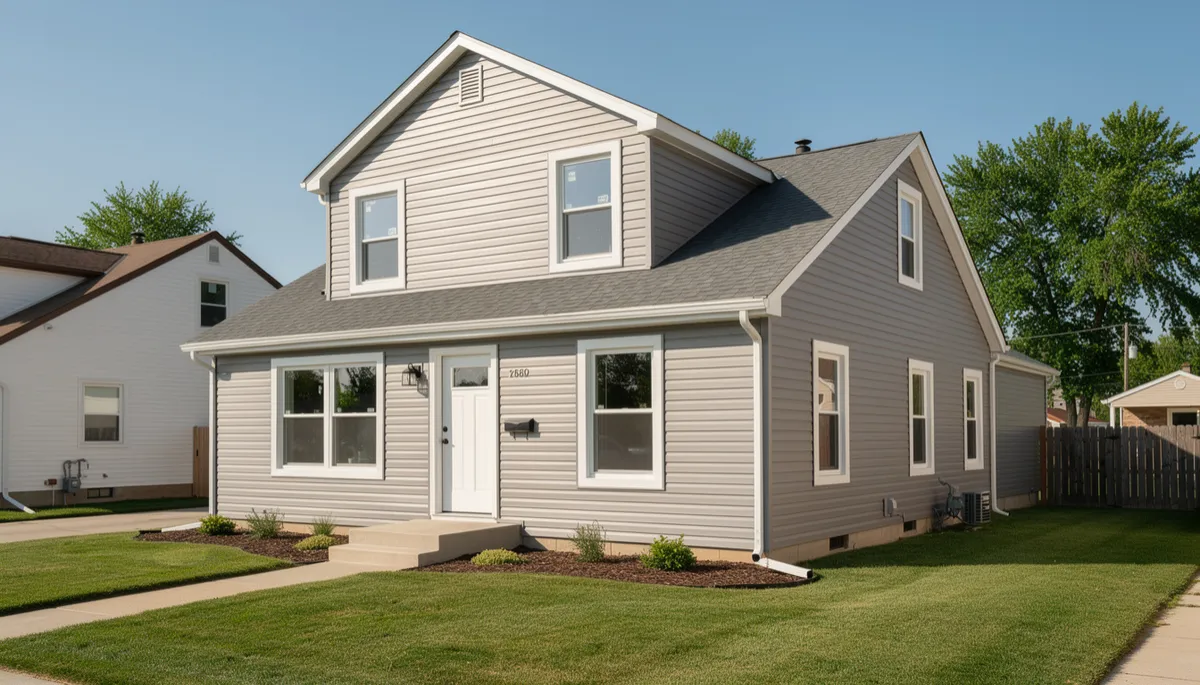
Vinyl siding has become one of the most popular exterior finishes for homes in East Chicago, IN and across the country. Homeowners appreciate its blend of durability, low maintenance, and curb appeal. But what exactly sets vinyl siding apart, and what should you know to keep it looking its best for years? Here’s a practical guide for anyone considering new siding or looking to take care of their current vinyl exterior.
What Are the Main Benefits of Vinyl Siding for My Home?
Vinyl siding is a favorite among homeowners for several concrete reasons. First, it holds up well against the Midwest’s unpredictable weather. Rain, snow, wind, and sun all take a toll on a home’s exterior, but quality vinyl siding is built to resist warping, cracking, and fading. It’s also designed to shed water, reducing the risk of moisture-related problems like rot or mold behind your walls.
Another big plus is the low maintenance. You won’t need to scrape, sand, or repaint vinyl siding every few years like you would with wood. Just a seasonal cleaning is usually enough to keep it looking sharp. Plus, vinyl comes in a wide variety of colors and styles, so it’s easy to find an option that matches your home’s character and your personal taste. If you’re updating other parts of your exterior, consider how window replacement or entry door installation can complement your new siding.
How Long Does Vinyl Siding Last and What Affects Its Lifespan?
Vinyl siding is built to last, with many installations holding up well for decades. The actual lifespan depends on factors like the quality of the material, how it was installed, and how well it’s maintained. In East Chicago, where winters can be harsh and summers humid, choosing a reputable installer and following basic care steps can make a big difference.
Things that can shorten vinyl siding’s life include frequent impact (from lawn equipment or debris), poor installation, or letting dirt and algae build up over time. If you ever notice loose or damaged panels, addressing them quickly helps prevent moisture from getting behind the siding, which can lead to bigger problems down the road.
How Do I Clean and Maintain Vinyl Siding?
One of the best features of vinyl siding is how easy it is to maintain. For most homes, a simple cleaning once or twice a year does the trick. Here’s how to keep your siding in top shape:
- Rinse First: Use a garden hose to wash off loose dirt and debris.
- Use Mild Soap: Mix some dish soap with warm water and use a soft-bristled brush or sponge to scrub any spots or stains. Start at the bottom and work your way up to avoid streaking.
- Rinse Thoroughly: Make sure to rinse off all the soap to prevent residue buildup.
- Avoid Harsh Cleaners: Steer clear of abrasive pads or strong solvents, as these can scratch or dull the finish.
If you notice mold or mildew, a solution of one part vinegar to three parts water works well on most stains. For higher areas, a soft brush on a telescoping pole or a pressure washer (on a low setting) can help, but be careful to aim the spray straight at the siding to prevent water from getting behind the panels.
Can Vinyl Siding Be Repaired If It Gets Damaged?
Yes, vinyl siding can often be repaired without replacing the whole wall. Small cracks or holes can sometimes be sealed with color-matched caulk. For larger damage, individual panels can be swapped out. This is one reason professional installation is important—the panels need to be installed with the right amount of flexibility for expansion and contraction, so they can be removed and replaced as needed.
If you experience significant damage (from a storm or accident, for instance), it’s wise to contact a local contractor familiar with vinyl siding replacement in East Chicago. They can assess whether a repair or a replacement section is needed. If your home also needs other exterior updates, you might consider exterior painting for trim or other surfaces at the same time.
How Does Vinyl Siding Affect My Home’s Energy Efficiency?
Vinyl siding on its own isn’t insulation, but it can help with energy efficiency when installed with a proper weather barrier and optional insulated backing. Insulated vinyl siding adds a layer of rigid foam behind the panels, which can help reduce heat loss in winter and keep your home cooler in summer. Even standard vinyl siding acts as a protective shell, reducing drafts and helping keep the elements out.
If you’re planning a larger remodeling project—maybe combining new siding with basement finishing or attic insulation—talk to your contractor about how to optimize your home’s envelope for comfort and savings.
Frequently Asked Questions
How do I know it’s time to replace my vinyl siding?
Look for obvious signs like warping, cracking, fading, or panels that don’t stay attached. If you see moisture damage inside the house, that can also point to siding issues. Sometimes patching is enough, but widespread damage usually means it’s time for a replacement.
Can I paint my vinyl siding if I want to change the color?
It is possible to paint vinyl siding, but it’s best to use a paint specifically formulated for vinyl and lighter colors to avoid heat-related warping. However, painting may affect the finish, so many homeowners choose to replace panels in their preferred color instead.
Does vinyl siding add value to my home?
New, well-installed vinyl siding can improve your home’s curb appeal and help prevent costly repairs by protecting against moisture. While every real estate market is different, updating your siding is generally a good investment if you plan to sell.
Can I install vinyl siding myself?
While handy homeowners can tackle small repairs, full siding installation requires special tools, knowledge of expansion gaps, and attention to weatherproofing details. For best results and to avoid future problems, professional installation is recommended.
If you’re considering vinyl siding for your East Chicago, IN home or need help maintaining your current siding, 3B's Contracting Inc is here to help. Reach out for practical advice or a quote, and we’ll make sure your home’s exterior is protected and looking its best.