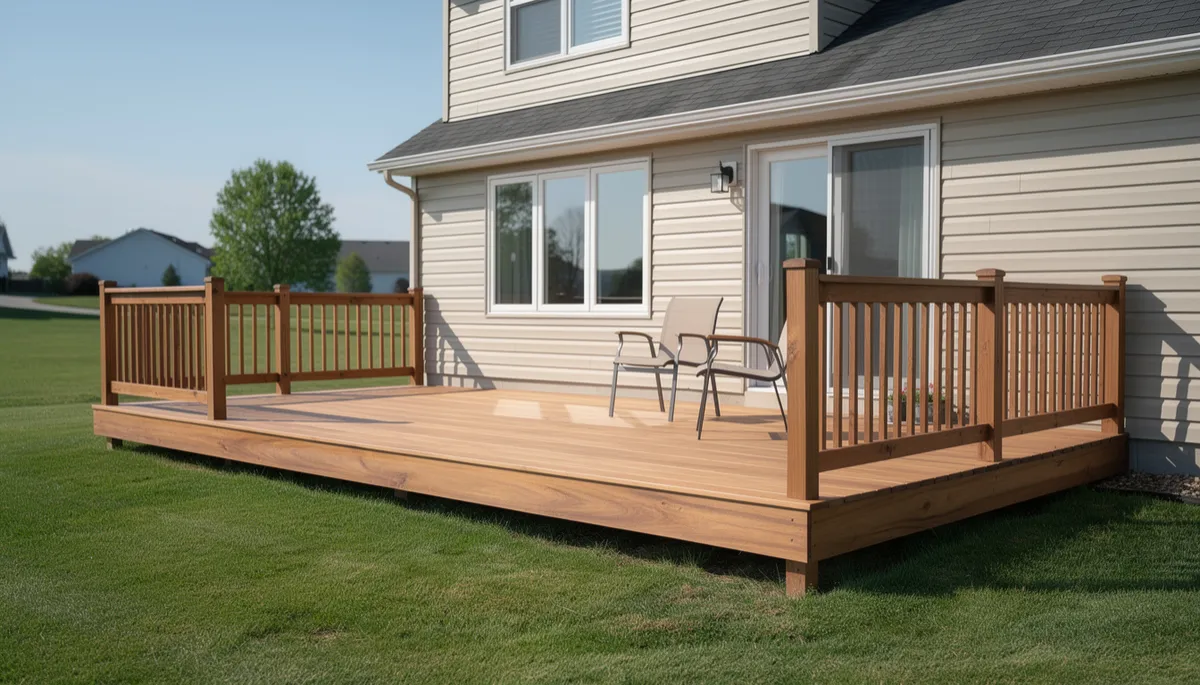
How to Build a Backyard Deck: Step-by-Step for Homeowners
Adding a backyard deck is one of the most practical ways to create extra outdoor living space for your home. Whether you want a spot for grilling, relaxing, or entertaining, building a deck can transform your yard. If you’re considering tackling this project in East Chicago, IN, here’s a clear, step-by-step guide to help you understand what’s involved and how to get it done right.
Where Should I Start When Planning a Deck?
Every good deck project begins with careful planning. Think about how you want to use the space—dining, lounging, or maybe as a play area. Measure your yard and sketch out the deck’s shape and size. Pay attention to sunlight, shade, privacy, and how the deck will connect to your home. Choose a location that’s convenient and makes the most of your yard’s layout.
Check for any obstacles like trees, utility lines, or uneven ground. Also, consider how your deck will impact things like drainage or existing landscaping. The more time you spend planning, the smoother your build will go.
Do I Need Permits or Inspections to Build a Deck?
In most parts of Indiana, including East Chicago, you’ll need a building permit before starting deck construction. Local codes ensure your deck is safe and built to standards. Usually, plans need to be submitted to your building department, showing the deck’s size, height, and how it’s attached to your house.
An inspector may visit during and after construction to check the footings, framing, and final build. Don’t skip this step—it protects you and can save headaches down the road if you ever sell your home. It’s always smart to call your local building office to find out exactly what’s required in your area.
What Materials Should I Use for My Deck?
Your main choices for decking boards are pressure-treated lumber, composite decking, and hardwoods. Pressure-treated wood is affordable and common, but needs regular maintenance to prevent rot and splinters. Composite boards cost more, but resist weather and insects and don’t require staining or sealing. Hardwoods like cedar or redwood look great and last a long time, but they’re pricier and need upkeep.
For framing, pressure-treated lumber is standard. You’ll also need concrete for footings, galvanized fasteners, joist hangers, and a range of tools. Railings can be built from wood, metal, or composite, depending on your style and safety needs. If you’re looking to coordinate your deck with other projects—like a concrete patio installation—choose materials that complement each other.
How Do I Prepare the Site and Lay the Foundation?
Start by marking out the deck’s footprint with string and stakes. Remove any grass or plants in the area. Dig holes for your footings—these are usually placed at the corners and along the perimeter, spaced according to your plan and local building codes.
Poured concrete footings provide a stable base, especially in the Midwest where freeze-thaw cycles can shift shallow posts. Make sure each footing is deep enough to get below the frost line. Insert post anchors into the wet concrete to hold your vertical support posts. Double-check that everything is level and square before moving on to framing.
What’s Involved in Framing and Decking?
Once the footings are set, attach beams to the posts to form the deck’s outer frame. Use galvanized brackets or bolts for strength. Next, install the joists—the horizontal boards that support your decking. Joists are typically spaced 16 inches apart, but check your local code and decking manufacturer’s specs.
Once the frame is complete, lay your decking boards perpendicular to the joists. Leave a small gap between boards for drainage. Fasten boards with screws or hidden fasteners for a clean look. If you’re adding stairs or multiple levels, make sure they’re solid and meet city safety requirements.
If you’re planning to add features like built-in benches, planters, or even lighting (similar to a recessed lighting installation), make sure to include blocking and wiring before you finish the deck surface.
How Do I Finish and Maintain My Deck?
After all boards are in place, trim any overhangs and sand rough edges. Install railings and stairs if needed, following safety guidelines. Sweep the deck thoroughly, then apply a sealer or stain if you used wood. This protects against water and UV damage.
Maintenance is key to enjoying your deck for years. Sweep regularly, clean off any mildew, and check for loose boards or nails each season. Reapply sealer or stain as needed. If you encounter any issues like water pooling or surface damage, prompt repairs prevent bigger problems down the line. For major repairs, like water intrusion into your home, a specialist in water damage repair can help.
Frequently Asked Questions
How long does it take to build a typical backyard deck?
Most basic decks take about one to two weeks of active work, depending on the size, weather, and complexity. Delays can happen if you’re waiting on permits or inspections, or if the ground needs extra prep. Larger or multi-level decks take longer.
Can I build a deck myself, or should I hire a professional?
Handy homeowners can tackle a small deck with the right tools, time, and attention to detail. For larger or raised decks, or if the deck is attached to your home, professional help ensures safety and code compliance. Some jobs—like electrical or complex framing—are best left to pros.
What kind of maintenance does a deck require?
Wood decks need to be sealed or stained every couple of years, and checked for splinters, rot, or loose fasteners each season. Composite decking is lower maintenance, but should still be cleaned regularly to prevent mold and debris buildup.
How do I choose the right deck size for my yard?
Start by measuring your available space and thinking about how you want to use the deck. Make sure there’s enough room for furniture and easy movement. Avoid building too close to property lines—local codes usually require setbacks.
If you’re in the East Chicago area and ready to transform your backyard with a custom-built deck, 3B’s Contracting Inc can help you plan and build a deck that fits your needs and your home. Reach out to discuss your ideas and get expert guidance every step of the way.