How to Use Layered Shades on Windows: Simple Guide for Elegant Light Control
What Are Layered Shades on Windows and Why Are They Popular?
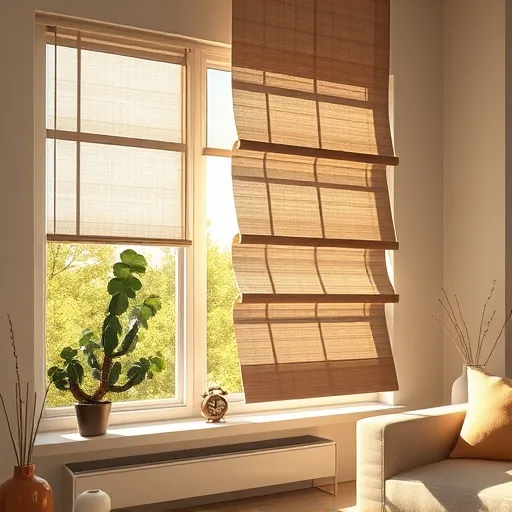
Layered shades on windows, often called dual or zebra shades, combine seamless fabric layers arranged in alternating sheer and opaque stripes. This innovative design offers homeowners refined control over natural light and privacy with a single gesture. Rather than fully raising or lowering traditional blinds or curtains, these shades allow subtle adjustments to create a soft diffusion of daylight or complete coverage for privacy and room darkening.
The popularity of layered shades stems from their aesthetic appeal and versatile functionality. They blend effortlessly with various interior styles—from minimalist to transitional—and enhance comfort by balancing glare reduction with preserved outdoor views. Beyond their beauty, layered shades are engineered for smooth operation and durability, making them an attractive window treatment choice for modern living.
How Does the Mechanism of Layered Shades Work?
Understanding how to use layered shades on windows begins with recognizing the mechanics behind their dual fabric strips. Each shade consists of two layers of fabric with alternating sheer and solid bands aligned horizontally. Operating a cord or motorized system moves the layers laterally relative to one another. When the solid bands align, they block incoming light, providing privacy. When the sheer bands overlap, natural light gently filters through, offering an unobstructed view while reducing glare.
This design allows infinite positioning options anywhere along the window height, not just fully open or closed states. It facilitates nuanced lighting moods, from bright and airy to muted and cozy, enhancing your space’s atmosphere with a gracefully understated solution.
Why Should You Consider Layered Shades for Light Control?
Choosing layered shades is an investment in both style and function. Their ability to balance privacy with daylight makes them a perfect fit for living rooms, bedrooms, or any space requiring customizable light options. They also help protect interior furnishings from ultraviolet rays by softening harsh sunlight while maintaining an open feel.
Additionally, layered shades contribute to energy efficiency by reducing heat transfer through windows. By blocking excessive sunlight in warmer months and insulating during colder periods, they support home comfort and can assist in lowering utility bills.
For homeowners undertaking renovations or interior upgrades, incorporating layered shades complements complementary projects such as kitchen remodeling or bathroom remodeling, enabling a cohesive and elegant design throughout the home.
What Are the Steps to Properly Install Layered Shades on Windows?
Mastering how to use layered shades on windows also involves proper installation to ensure smooth functionality and aesthetic appeal. Here are the critical steps to follow:
- Measure Accurately: Note the exact width and length of your window frame to select appropriately sized shades. Decide whether an inside or outside mount suits your space better.
- Choose the Operation Style: Manual lift cords, continuous loop cords, or motorized controls are common options based on your convenience and budget.
- Prepare the Mounting Surface: Clear the window area and ensure the surfaces for mounting are clean and free of obstructions.
- Attach the Brackets: Use level and power tools to fix mounting brackets either inside or outside the window frame securely.
- Install the Shade: Snap or slide the headrail into the brackets as per the manufacturer’s instructions.
- Test Operation: Gently operate the shade to verify smooth movement and alignment of fabric layers.
If you prefer professional assistance or are renovating multiple areas, consider extending your home improvement with services like window replacement or interior painting to achieve a more comprehensive upgrade.
How Can Layered Shades Enhance Different Rooms in Your Home?
The versatility of layered shades allows them to be tailored to diverse room needs, each benefiting uniquely from their light-controlling abilities:
- Living Rooms: Adjust shades to channel soft daylight for daytime gatherings or filter views while maintaining a cozy ambiance in the evenings.
- Bedrooms: Use the opaque setting for restful night sleep or sheer settings during early mornings for gradual light awakening.
- Home Offices: Minimize screen glare while preserving natural illumination central to productivity and well-being.
- Dining Areas: Create mood lighting by layering shades to enhance dinner settings or bright daylight meals.
What Maintenance Is Needed for Layered Shades?
Maintaining layered shades ensures their longevity and pristine condition with minimal effort. Regular maintenance tips include:
- Dusting: Use a feather duster or vacuum with a soft brush attachment regularly to remove surface dust.
- Spot Cleaning: Light stains can be cleaned with a soft cloth and mild detergent solution; avoid soaking fabrics.
- Avoid Harsh Chemicals: Do not use abrasive cleaners or bleach, which can damage or discolor fabrics.
- Inspect Cords and Mechanisms: Check for wear or tangling periodically and address any tension irregularities promptly.
Periodic upkeep maintains their smooth operation and elegant appearance, preserving the investment and functionality of your window treatments.
Are Layered Shades a Good Solution for Energy Efficiency?
Indeed, layered shades contribute meaningfully to home energy efficiency. By allowing precise control of light and thermal entry, they help regulate indoor temperatures naturally. During warmer months, shading out direct sunlight reduces cooling demands, while in winter, the dual layers act as a mild insulation barrier, minimizing heat loss through windows.
When combined with insulation upgrades or window replacement, the overall energy savings and increased comfort create a sustainable and cost-effective home environment.
How Do Layered Shades Compare to Other Window Treatments?
When deciding how to use layered shades on windows effectively, it’s helpful to compare their benefits against other popular window covering options:
| Feature | Layered Shades | Traditional Blinds | Curtains/Drapes |
|---|---|---|---|
| Light Control | Highly customizable with sheer and opaque bands | Good, but usually all or nothing | Moderate, depends on fabric weight |
| Privacy | Adjustable from full privacy to light-filtering | Good, varies with slat positioning | Very good when closed fully |
| Design Appeal | Sleek, modern, minimalistic | Functional but less stylish | Varies widely, can be traditional |
| Maintenance | Easy dusting and spot cleaning | Frequent dusting needed | Requires washing or dry cleaning |
What Are Practical Tips for Styling Layered Shades?
Adding layered shades to your windows offers a subtle yet impactful opportunity to refine room decor. Consider these styling tips:
- Coordinate shade colors with complementary wall tones or furnishings for harmony.
- Use shades in neutral hues to maintain a light and airy atmosphere or in darker tones for contrast and drama.
- Pair with minimal hardware and clean-lined window frames for a contemporary aesthetic.
- Enhance window framing with subtle molding or trim to highlight the shades and window area elegantly.
Frequently Asked Questions About Using Layered Shades on Windows
Can layered shades be motorized for remote control?
Yes, many manufacturers offer motorized options, allowing you to operate shades via remote controls or smart home integration for added convenience and modern lifestyle adaptability.
Are layered shades suitable for all window sizes?
Layered shades can be custom-made to fit various window sizes, from small kitchen windows to large floor-to-ceiling panes, ensuring versatility for any architectural design.
Do layered shades provide effective privacy at night?
When fully aligned with opaque bands, layered shades offer excellent privacy. Keep in mind that sheer bands deliver minimal screening, so full closure is best for nighttime privacy.
How durable are layered shades in high-traffic areas?
Constructed with durable fabrics and reliable operational systems, layered shades withstand daily use, making them suitable for busy rooms such as living rooms or offices.
Can I use layered shades in rooms with high humidity like bathrooms?
Some layered shades are designed with moisture-resistant materials. It’s advisable to check product specifications or consult professionals if installing shades in humid environments such as bathrooms.
For those upgrading their living spaces, complement your window treatment choices with professional remodeling services including basement finishing, to enhance overall functionality and aesthetic appeal.
By thoughtfully incorporating layered shades, you can elevate your home environment with understated elegance and intelligent light management that adapts seamlessly to your lifestyle.