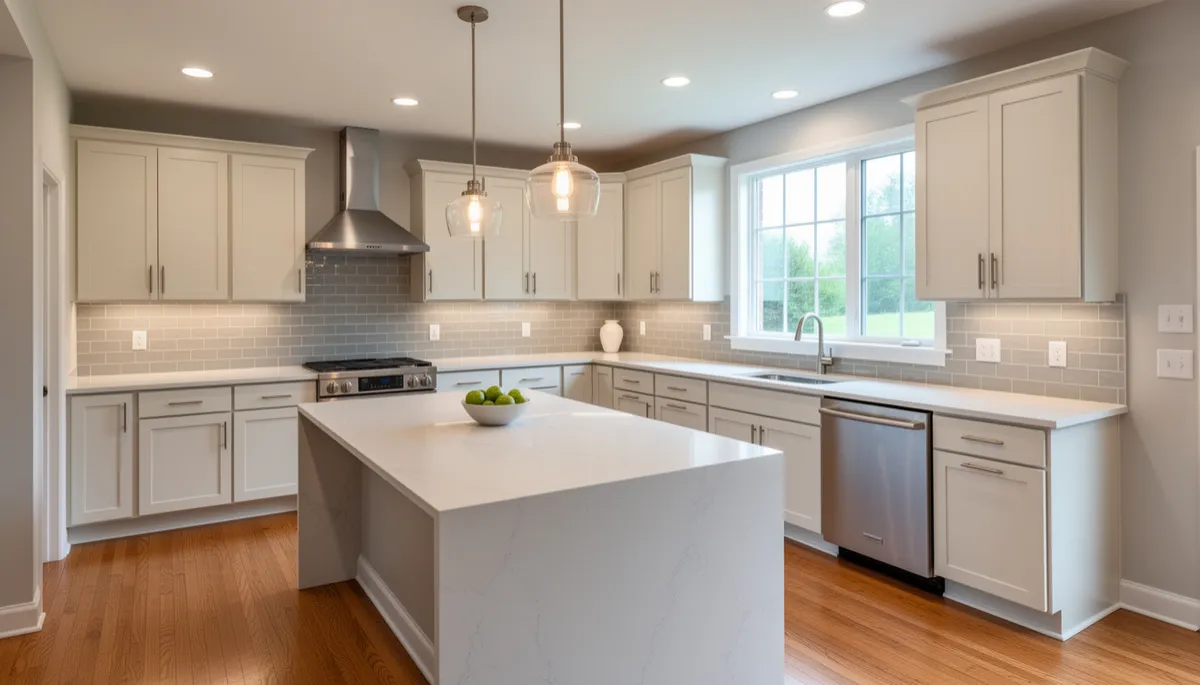
How to Plan a Kitchen Remodeling Project Step by Step
Thinking about remodeling your kitchen? It’s one of the most rewarding home projects, but it can also feel overwhelming if you’re not sure where to start. The good news is, with a little planning and a clear step-by-step approach, you can make sure your kitchen remodel goes smoothly and meets your family’s needs.
What’s the first step in planning a kitchen remodel?
The very first thing to do is figure out what you want to change and why. Do you need more storage, better lighting, or just a fresh look? Make a list of your priorities. Walk through your kitchen and jot down what bothers you and what you wish was different. Think about how you use the space. For some, it’s a place to cook, for others, it’s where everyone gathers. The clearer you are on your goals, the easier the rest of the process will be.
How should you set your budget and expectations?
Remodeling can get expensive, so it’s important to set a realistic budget upfront. Start with the must-haves—maybe new cabinets, appliances, or countertops. Then list the nice-to-haves, like a tile backsplash or new flooring. Remember that unexpected issues sometimes pop up, especially in older homes around East Chicago, so it’s smart to have a little cushion in your budget for surprises. Be open with your contractor about your budget so they can help you make choices that fit your goals.
Should you change the layout or keep things as they are?
This is a big decision that affects everything from plumbing to electrical and even permits. If your current layout works well, you might save time and money by keeping it. But if you’re always bumping into things or wish you had an island or more counter space, now is the time to make those changes. A good contractor can help you visualize different layouts and explain what’s involved. For some homeowners, moving a sink or stove makes all the difference, even if it means a little extra work.
What materials and finishes should you choose?
This is the part that most people get excited about—picking out cabinets, countertops, flooring, and fixtures. Start with the basics: cabinets and counters. If your cabinets are in good shape, you might not need to replace them. Options like cabinet refacing can give you a fresh look without the cost of all new cabinets. For countertops, there are lots of choices. Quartz is popular for its durability and low maintenance. Think about how you use your kitchen and pick materials that can stand up to your lifestyle. Don’t forget about flooring—hardwood and tile are both great options and your contractor can help you compare the pros and cons of each.
How do you make sure the project stays on track?
Once the planning is done and materials are chosen, your contractor will help you put together a schedule. This includes ordering materials, getting permits if needed, and lining up the different trades (like electricians and plumbers). Make sure you know what to expect each week. Sometimes things take a little longer, especially if you run into hidden problems behind the walls or under the floor. Good communication with your contractor is key. Check in regularly and don’t be afraid to ask questions or raise concerns as soon as they come up.
What about the finishing touches?
The details are what really make a kitchen shine. Backsplashes, lighting, paint color, and hardware all come together at the end. Installing a custom backsplash or updating your lighting can make a big impact without breaking the bank. Think about things like under-cabinet lighting, new faucets, or a fresh coat of paint to tie everything together. Your contractor can show you options that fit your style and budget.
Frequently Asked Questions
How long does a kitchen remodel usually take?
Every project is different, but most kitchen remodels take a few weeks to a couple of months, depending on the size of the job and the scope of the changes. Delays can happen if materials are backordered or if unexpected repairs are needed, especially in older homes.
Do I need to move out during the remodel?
Not usually, but be prepared for some dust and noise. Most homeowners stay in their homes, but you might want to set up a temporary kitchen space somewhere else in the house. Your contractor can help plan the work to minimize disruptions to your daily routine.
Can I do some of the work myself to save money?
Some homeowners tackle painting or demo work on their own, but most of the bigger tasks like electrical, plumbing, and cabinet installation are best left to the pros. Mistakes can be costly down the road, so it’s usually worth hiring an experienced contractor for the tricky parts.
What’s the best way to get started?
Start by making a list of what you want to change and how you use your kitchen. Then reach out to a local contractor for advice and a quote. They can walk you through your options and help you create a plan that fits your home and your budget.
If you’re ready to start planning your kitchen remodel in East Chicago or just want some advice, the team at 3B’s Contracting Inc is here to help. Give us a call and let’s talk about how to make your kitchen work better for you.