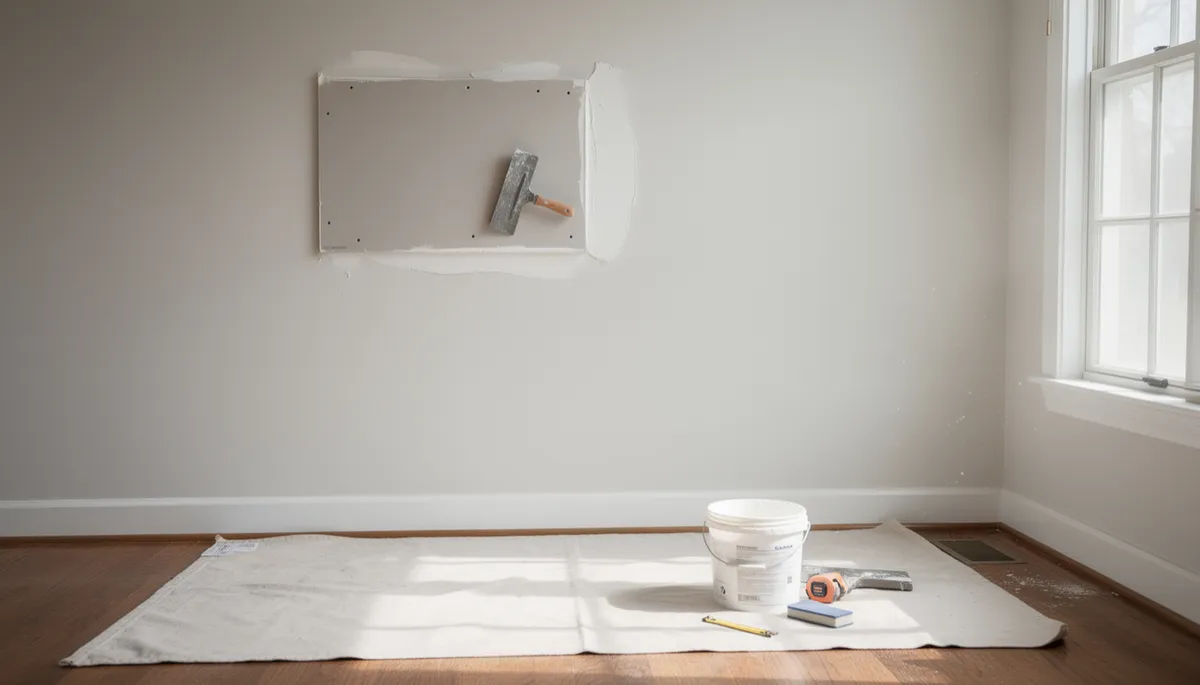
Drywall Repair Techniques Every Homeowner Can Try
Drywall is everywhere in most homes, but it doesn’t take much to ding, dent, or even punch a hole in it. Whether it’s from moving furniture, an accidental door swing, or a leaky pipe, drywall damage is a common problem. If you've got some unsightly spots on your walls, you might be surprised how manageable drywall repairs can be with a little know-how and the right tools. Here’s a practical guide to help you tackle small drywall repairs around your East Chicago home.
What tools and materials do I need for basic drywall repair?
For most small repairs, you don’t need anything fancy. Here’s a basic list to keep on hand:
- Putty knife (4"–6" wide is good for most jobs)
- Utility knife
- Sandpaper (120–220 grit)
- Drywall compound (also called joint compound or “mud”)
- Drywall patch or mesh tape (for holes bigger than a nail hole)
- Primer and matching paint
- Paint roller or brush
Having a drop cloth and a vacuum handy helps keep things tidy, especially if you’re working around flooring or furniture.
How do I fix small holes and nail pops?
Small holes and nail pops (where a nail or screw head pushes out the drywall) are common and easy to repair. For tiny holes, squeeze a bit of lightweight spackle onto your putty knife, press it into the hole, and smooth it flat. Let it dry, sand it flush, and touch up with primer and paint.
For nail pops, tap the nail back in or remove it and use a drywall screw to secure the drywall to the framing. Cover the area with a thin layer of joint compound, feathering the edges. Once dry, sand lightly, prime, and paint. These repairs take less than an hour of total work (not counting drying time).
What’s the right way to patch a medium-sized hole?
For holes up to about 6 inches, a patch is your best bet. You can buy pre-made mesh or metal patches, or cut a square of drywall to fit. Here’s how:
- Clean up the hole: Trim any loose or jagged edges with your utility knife.
- Attach the patch: For mesh, stick it over the hole. For a drywall patch, cut a piece just bigger than the hole, attach it to a backing piece, and screw or glue it in place.
- Apply joint compound: Use your putty knife to spread compound over the patch, feathering the edges out onto the surrounding wall.
- Let it dry: Drying can take a few hours to overnight, depending on humidity.
- Sand smooth: Use light pressure and a sanding block or sponge to blend the patch into the wall.
- Prime and paint: Don’t skip priming—joint compound soaks up paint differently than drywall, so primer ensures a uniform finish.
For more extensive wall changes, like when finishing a basement, you might want to consult a pro. Check out basement finishing if you’re considering larger projects.
How do I handle large drywall holes or water damage?
Holes bigger than 6 inches or areas with water damage need a more involved repair. Here’s a basic approach:
- Cut out the damaged drywall in a neat rectangle or square.
- Measure and cut a new piece of drywall to fit the opening.
- Screw the new piece into place, using wood strips as backing if necessary.
- Tape the seams with paper or fiberglass drywall tape.
- Apply joint compound over the seams and screws, feathering the edges. Sand between coats as needed (usually two to three coats).
- Prime and paint.
If water caused the damage, be sure the source is fixed before repairing. Mold or mildew is a sign you should consult pros with water damage repair experience, like those at 3B's Contracting Inc.
How can I blend the repair so it's invisible?
Getting a seamless repair is part technique, part patience. Here are a few tips:
- Feather joint compound out wider than you think—at least 6–12 inches out from the patch.
- Sand lightly and check your work by shining a light across the wall for shadows or ridges.
- Prime before you paint. The repaired area will soak up paint differently if you skip this step.
- Color-match your paint. Even a slight difference can make repairs stand out.
- For textured walls, use a spray texture or sponge to match the existing pattern before painting.
When the repair is done, your wall should look as good as new—no bumps, ridges, or obvious patches.
Is it worth hiring a pro for drywall repair?
For tiny holes and dents, DIY is usually fine. But for bigger holes, multiple repairs, or matching tricky textures, a professional touch saves time and frustration. If your drywall damage is part of a kitchen or bathroom update, a contractor with experience in kitchen remodeling or bathroom remodeling can often include repairs as part of the job. In older homes around East Chicago, sometimes what looks like a simple patch job uncovers bigger issues like old wiring or hidden leaks—another reason to call in someone who knows what to look for.
Frequently Asked Questions
How long does drywall compound take to dry?
Most premixed joint compounds take about 24 hours to fully dry between coats, though some quick-setting types dry in 20–90 minutes. Dry time depends on the thickness of the application, humidity, and temperature. Always make sure the previous coat is fully dry before sanding or recoating.
Can I repair drywall if there’s wallpaper over it?
Yes, but you’ll need to cut away the wallpaper around the damaged area first. Once the repair is finished and dry, you can patch the wallpaper or paint over the wall as needed. Take care not to peel off more wallpaper than necessary to keep the surrounding area tidy.
What’s the best way to sand drywall without making a mess?
Use a sanding sponge or a sanding block to control dust. Some pros use a vacuum attachment or a damp sponge for minimal dust. Always lay down a drop cloth and vacuum up dust right after sanding to keep your home clean.
Should I use mesh tape or paper tape for seams?
Mesh tape is easier for beginners and works well for patching holes, but paper tape is stronger for inside corners and long seams. If you’re just fixing a small patch, mesh tape is often the simplest choice.
If your drywall project feels overwhelming, or if you want a seamless result, 3B’s Contracting Inc serves homeowners throughout East Chicago and the surrounding area. Get in touch for expert help with drywall repair, painting, or any home remodeling project—big or small.